2026-08-19 · Frank Sullivan
Steps Homeowners Can Take After Discovering Standing Water in a Rochester Basement
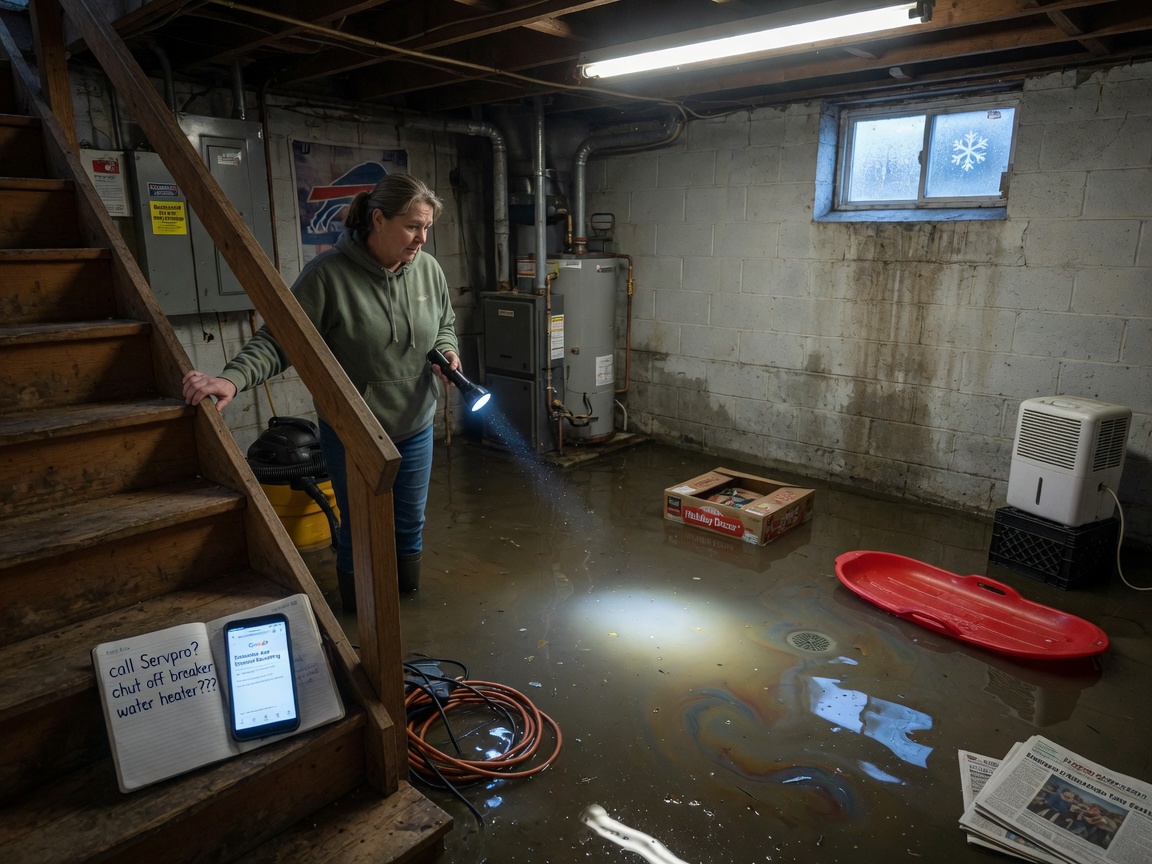
After discovering standing water, prioritize safety by shutting off power to the affected area, then begin removing water within 24 to 48 hours while identifying the source to prevent further intrusion common in Monroe County basements.
Prioritize Safety and Power Management
Rochester homes built before 1950 in neighborhoods such as Park Avenue and East Avenue often feature stone or concrete foundations that retain moisture longer during the humid continental climate's cold snowy winters. Turn off electricity at the main panel if water reaches outlets or appliances, and avoid entering spaces with standing water deeper than a few inches. Wear rubber boots and gloves to reduce shock risk. Document the water level with photos from multiple angles before any removal begins. These initial measures protect both occupants and the structure in areas like Charlotte where older wiring is prevalent.
Identify and Address the Water Source
Trace the entry point by checking sump pits, window wells, and foundation cracks that frequently fail after heavy spring thaws or snowmelt in Monroe County. Homes near Irondequoit and Brighton experience similar issues due to clay-heavy soils that hold water against basement walls. If a sump pump has failed, note the model and last maintenance date for later reference. Temporary measures like sandbagging exterior low spots can slow inflow until permanent repairs occur. Linking the event to seasonal patterns helps predict recurrence in East Avenue properties with shared drainage lines.
Begin Basement Water Extraction
Remove standing water using a wet vac or submersible pump rated for at least 1,000 gallons per hour, working from the lowest point outward in layers no deeper than two inches at a time. Basement water extraction becomes essential once volumes exceed what household equipment can handle safely. Continue until only damp residue remains, then dispose of extracted water away from the foundation to avoid re-saturation. In Rochester's older stock, this step often reveals hidden debris in floor drains that must be cleared to restore flow. Monitor progress hourly to avoid over-wetting adjacent finished areas.
Dry the Space and Prevent Secondary Damage
Deploy air movers and dehumidifiers rated for the square footage after extraction, targeting indoor humidity below 50 percent within the first 72 hours. Structural drying & dehumidification addresses moisture trapped in joists and subfloors common in pre-war homes near the Rochester Public Market. Open windows only when outdoor temperatures exceed 50 degrees to avoid introducing more humidity. Check for soft spots in flooring daily, as prolonged saturation in Monroe County's freeze-thaw cycles can compromise supports. How Rochester spring thaws lead to basement water intrusion explains why these drying timelines shorten after March snow events.
Know When Professional Help Is Required
Contact specialists if water exceeds six inches, shows signs of sewage backup, or persists beyond 48 hours despite extraction efforts. Typical price ranges for flooded basement cleanup in Monroe County provide benchmarks for insurance discussions without committing to specific quotes. Owners in Park Avenue and nearby Pittsford properties benefit from documentation of all steps taken before arrival. Business hours at 260 E Main St allow same-day assessments Monday through Friday from 8am to 6pm and Saturday from 9am to 2pm. This sequence minimizes long-term structural impact in Rochester's variable climate.