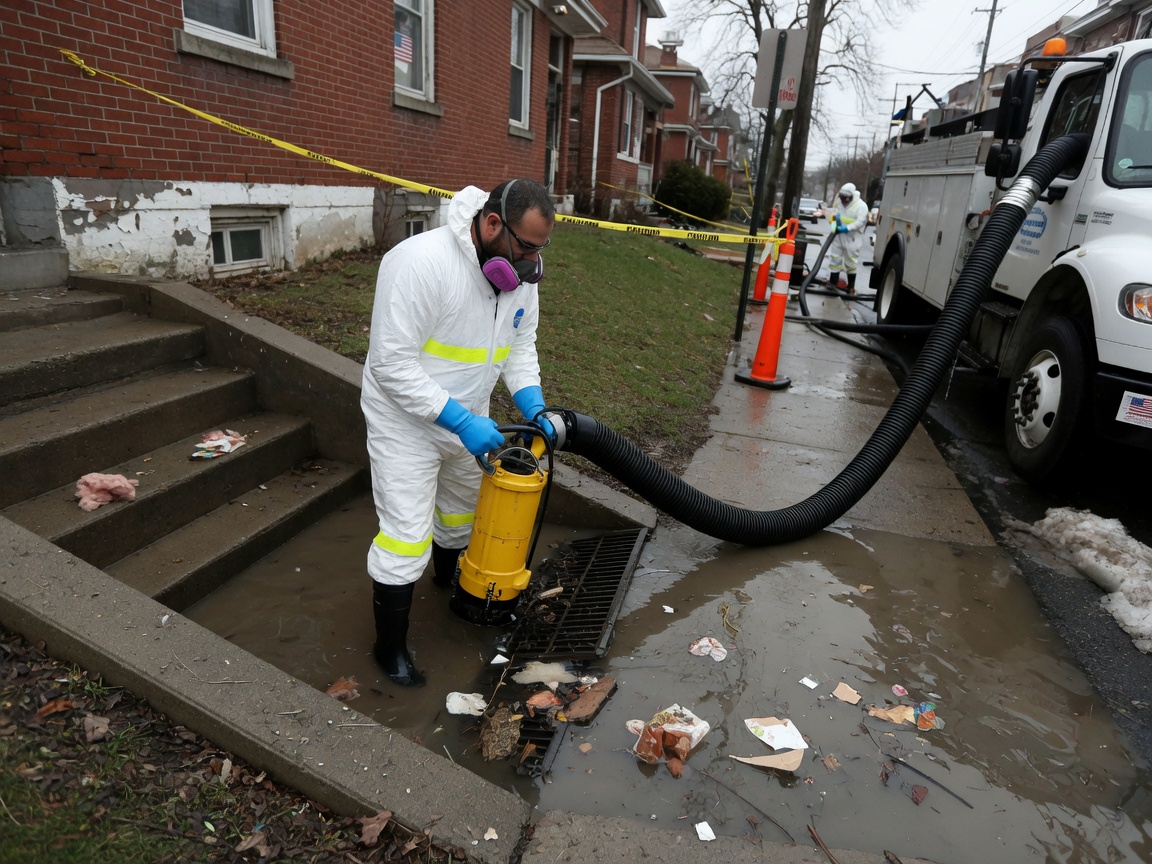
Highland Park sits on higher ground with older brick and frame homes built mostly between 1900 and 1930. Many basements here rest on clay-heavy soils that hold water after heavy spring rains or rapid snow melt from Monroe County winters. Basement Recovery Experts runs extraction crews from 260 E Main St to reach these properties quickly via South Avenue and Goodman Street before water reaches finished spaces.
Narrow residential streets and limited driveway access around the park mean our teams stage equipment on the curb and run short hoses through side yards. Homes near Highland Avenue and Park Avenue often share lot lines, so we coordinate with neighbors to keep driveways clear during multi-day drying. Nearby Brighton and Pittsford residents call the same number when water crosses into Highland Park from adjacent streets.
Cold winters freeze ground around foundations and then thaw creates sudden inflow through cracks that formed decades ago. We schedule extraction and drying around these freeze-thaw cycles so homeowners on Mount Hope Avenue and East Avenue side streets can return to dry basements before the next storm.
Around Highland Park
We regularly work near:
- 📍Highland Park
- 📍Highland Avenue
- 📍Goodman Street
- 📍South Avenue
- 📍Mount Hope Avenue
Flooded Basement Cleanup in Highland Park — Local Notes
- •Clay soils around Highland Park hold water longer than sandy areas in Irondequoit, so pumps often run 48-72 hours before we move to dehumidification.
- •Many basements here have low ceilings and narrow stairwells; we bring compact extraction units that fit through standard Highland Park entry doors without removing railings.
- •Rapid snow melt from the park's open slopes sends water toward homes on the downhill side of Highland Avenue faster than flat sections near the Rochester Public Market.
- •Older stone foundations common on streets bordering the park require careful placement of floor mats to avoid disturbing settled mortar during water removal.