Upper Monroe sits on a slight rise with many pre-1940 homes that have fieldstone or early concrete foundations. Tight lots and shared driveways often limit where pumps and hoses can run, so crews stage equipment on Monroe Avenue or side streets and run discharge lines to the nearest storm inlet. Cold winters bring repeated freeze-thaw cycles that push water through hairline cracks each spring.
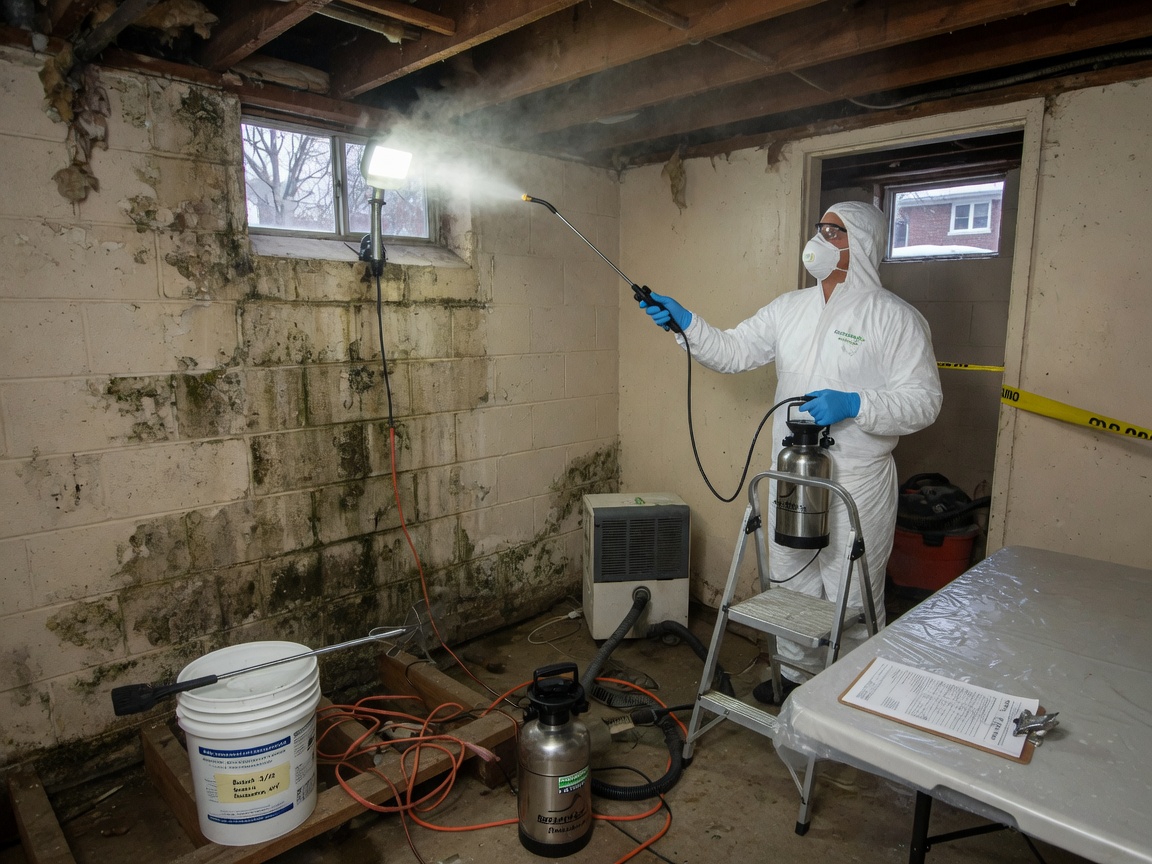
When heavy snow melts or a sudden downpour hits, water finds the low spots along the back walls of these houses. Technicians extract standing water first, then focus on the soil pockets that sit against the foundation. Because many blocks lack modern French drains, the job usually includes removing saturated insulation and checking for hidden pockets behind finished walls.
Residents along Park Avenue and East Avenue extensions call for service after spring thaws or summer storms that overwhelm old combined sewers. The crew works within the posted Mon–Fri 8am–6pm and Sat 9am–2pm hours and keeps trucks staged at 260 E Main St so they can reach Upper Monroe quickly.
Around Upper Monroe
We regularly work near:
- 📍Monroe Avenue
- 📍Park Avenue
- 📍Cobb's Hill Park
- 📍East Avenue
- 📍School 35
Flooded Basement Cleanup in Upper Monroe — Local Notes
- •Narrow driveways and mature trees on many Upper Monroe lots require smaller extraction units and careful hose routing to avoid damaging roots or blocking neighbor access.
- •Fieldstone foundations common on streets west of Monroe Avenue absorb meltwater from snowbanks piled along the curb, so extraction often starts at the front wall rather than the rear.
- •Combined sewer lines in the neighborhood back up during heavy rain; crews check for sewage mixed with groundwater before starting dehumidification.
- •Steep rear yards on the east side of the neighborhood direct runoff straight into basement windows, requiring temporary berms while water is pulled out.